
Nurturing a Healthy Spine Through Hydration
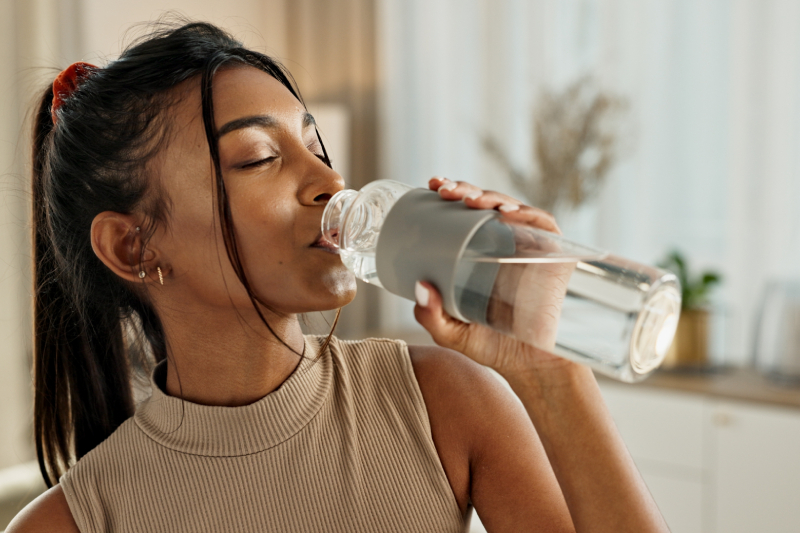
Active lifestyles push us to our limits, often sidelining the essential role of hydration in keeping our bodies in prime condition. While most athletes focus on muscles and lungs, a vital component is often overlooked: the spine. Realizing the impact of fluid intake on back health is a revelation for those dedicating time to physical excellence.
By ensuring proper fluid levels, athletes bolster their body’s resilience against the demands of sports. As emphasized by a leading spine doctor in Bangalore, water is not just fuel for energy—it is the structural foundation for a healthy back and athletic success.
The Science: Why Your Spine Needs Water
Hydration is paramount for wellness, particularly for active young adults. The connection lies deep within the spinal anatomy. The spine is supported by discs that sit between the vertebrae, acting as shock absorbers.
Understanding the Spinal Discs
These intervertebral discs are comprised of two main parts:
- The Nucleus Pulposus: The gel-like center of the disc.
- The Annulus Fibrosus: The tough outer ring that provides structure.
The Nucleus Pulposus is approximately 85% water. It functions like a sponge. When fully hydrated, it is tall and elastic, effectively absorbing the shocks of running, jumping, or even just walking. Without adequate water, these discs cannot perform their primary function.
The Dangers of Dehydration: Compression and Pain
Daily activities naturally compress our spinal discs, squeezing water out of them like a sponge being pressed. This is why you are actually slightly shorter at night than you are in the morning. Rehydrating is critical to “re-inflate” these discs.
Insufficient water intake breaks this cycle. If the lost fluid is not replaced, the discs remain compressed. Over time, this leads to:
- Reduced flexibility and range of motion.
- Increased risk of injury during sports.
- Accelerated onset of degenerative disc disease.
Dehydration effectively ages the spine faster, causing stiffness and chronic discomfort that can sideline an active individual.
A unique insight from our spine specialist focuses on ‘Pre-Load Hydration Timing.’ While drinking water all day is good, spinal compression is most acute during peak training and immediately after impact activities (like heavy landing sets). The specialist advises consciously consuming 500ml of water 30 minutes before a tough session and prioritizing fluid intake immediately post-session before water is needed for muscle recovery. This front-loads the discs when they are most vulnerable and helps expedite fluid replenishment during the recovery window To know more.
Practical Hydration Tips for a Stronger Back
Adopting daily hydration habits is the easiest way to protect your spine. However, there is no “one size fits all” rule. While eight glasses a day is common advice, active people or those in hot climates need significantly more.
Strategies for optimal hydration include:
- Carry a Reusable Bottle: Visual reminders help increase intake.
- Eat Your Water: Consume water-rich foods like cucumbers, tomatoes, oranges, and watermelons.
- Monitor Your Body: Check urine color; clear or pale yellow indicates good hydration.
Also Read : How can a restaurant be compatible with all the top food trends?
When to Seek Professional Help
Because individual needs vary based on weight, activity level, and medical history, generic advice isn’t always enough. If you are experiencing persistent back pain despite a healthy lifestyle, it may be time to book an appointment with a spine specialist in Bangalore. A professional can help determine if your spinal issues are related to lifestyle factors like hydration or if there is an underlying condition requiring treatment.
A Healthy Spine Begins with Good Habits
Good hydration is foundational for a healthy body and crucial for sports enthusiasts. It supports physical demands and ensures long-term mobility. By embracing hydration as a key part of your training regimen, you are nurturing your spine for the long haul. Take the next step in your wellness journey—stay hydrated and keep moving.
